
Consular Processing Lawyer for Immigrant Visa Applicants
J Kelley Law Group helps petitioners, beneficiaries, spouses, parents, children, and families understand the immigrant visa process through USCIS, the National Visa Center, and U.S. embassies or consulates abroad. Our bilingual immigration team can guide you through NVC steps, DS-260 preparation, supporting documents, interview concerns, and agency communication with careful legal support.
Office support in Maryland and North Carolina: Montgomery Village / Gaithersburg and Raleigh, with immigration services available nationwide.

What Is Consular Processing?
Consular processing is generally the immigrant visa path used when a person applies through a U.S. embassy or consulate abroad after an immigrant petition has been approved and a visa is available.
For many families, this process begins with a petition filed in the United States and continues through the National Visa Center, online immigrant visa steps, document collection, and a consular interview abroad. The process can involve the petitioner, the beneficiary, USCIS, the National Visa Center, and the U.S. embassy or consulate handling the case.
J Kelley Law Group helps families understand how consular processing fits within the broader immigration law process, what steps may come next, and how to prepare documents and information carefully without assuming that every case follows the same timeline or outcome.
Not sure if consular processing applies to your case? Speak with JKLG.Consular Processing or Adjustment of Status: Which Path Applies?
Some families need to understand whether the beneficiary may apply from inside the United States or complete the immigrant visa process through a U.S. embassy or consulate abroad. The right path depends on the person’s location, eligibility, immigration history, visa availability, and case details.
Adjustment of Status
Adjustment of status is generally used when an eligible applicant is already present in the United States and may apply for lawful permanent residence without leaving the country.
- Usually applies to applicants physically present in the United States
- Handled through USCIS when the person qualifies
- May involve Form I-485 and supporting evidence
- Different eligibility rules and risks may apply depending on the case
Consular Processing
Consular processing generally applies when the beneficiary is outside the United States or must complete immigrant visa processing through a U.S. embassy or consulate abroad.
- Often begins after an immigrant petition is approved
- May involve the National Visa Center and CEAC
- Usually includes the DS-260 immigrant visa application
- Requires careful document preparation and consular interview planning
The difference matters. A person’s green card path can affect the forms, documents, agency steps, interview process, and legal risks involved. J Kelley Law Group helps families understand which process may fit their situation before they move forward.
Who May Need Help With Consular Processing?
Consular processing may be part of the immigrant visa path for families when the beneficiary is outside the United States or must complete the process through a U.S. embassy or consulate abroad. J Kelley Law Group helps petitioners and beneficiaries understand the steps, documents, and legal questions that may come up along the way.
Spouses of U.S. Citizens or Lawful Permanent Residents
A spouse abroad may need guidance with immigrant visa steps, NVC processing, supporting documents, and interview preparation after a qualifying petition moves forward.
Parents, Children, and Other Family-Based Beneficiaries
Family-based cases can involve parents, children, siblings, and other qualifying relatives depending on the petition, visa category, availability, and case history.
Beneficiaries Outside the United States
When the beneficiary is abroad, consular processing may be the path used to apply for an immigrant visa before entering the United States as a permanent resident.
Families With an Approved Petition and NVC Questions
Petition approval is often not the final step. Families may still need to complete NVC requirements, CEAC steps, DS-260 information, financial evidence, and civil document preparation.
Applicants With Prior Immigration or Admissibility Concerns
Some cases need extra care because of prior immigration history, document issues, previous visa refusals, or possible admissibility questions. A legal review can help families understand what concerns may need attention before the next step.
Not sure where your family’s case fits? JKLG can help you review the stage of the case, identify the next steps, and understand how consular processing may apply to your immigrant visa matter.
Talk to JKLG About Your Immigrant Visa CaseWhat Happens After an Immigrant Petition Is Approved?
An approved immigrant petition is an important step, but it is usually not the end of the consular processing journey. Many families still need to complete National Visa Center steps before the case can move toward a U.S. embassy or consulate interview.
After USCIS approves a qualifying immigrant petition, the case may move to the U.S. Department of State’s National Visa Center for pre-processing. From there, families may need to use CEAC, review NVC messages, prepare the DS-260, gather financial and civil documents, and follow instructions connected to the assigned embassy or consulate.
J Kelley Law Group helps petitioners and beneficiaries understand where the case is in the process, what agency is handling the next step, and what information may need to be prepared carefully before the interview stage.
Received an NVC notice? JKLG can help you understand the next step and review what may need attention before you move forward.
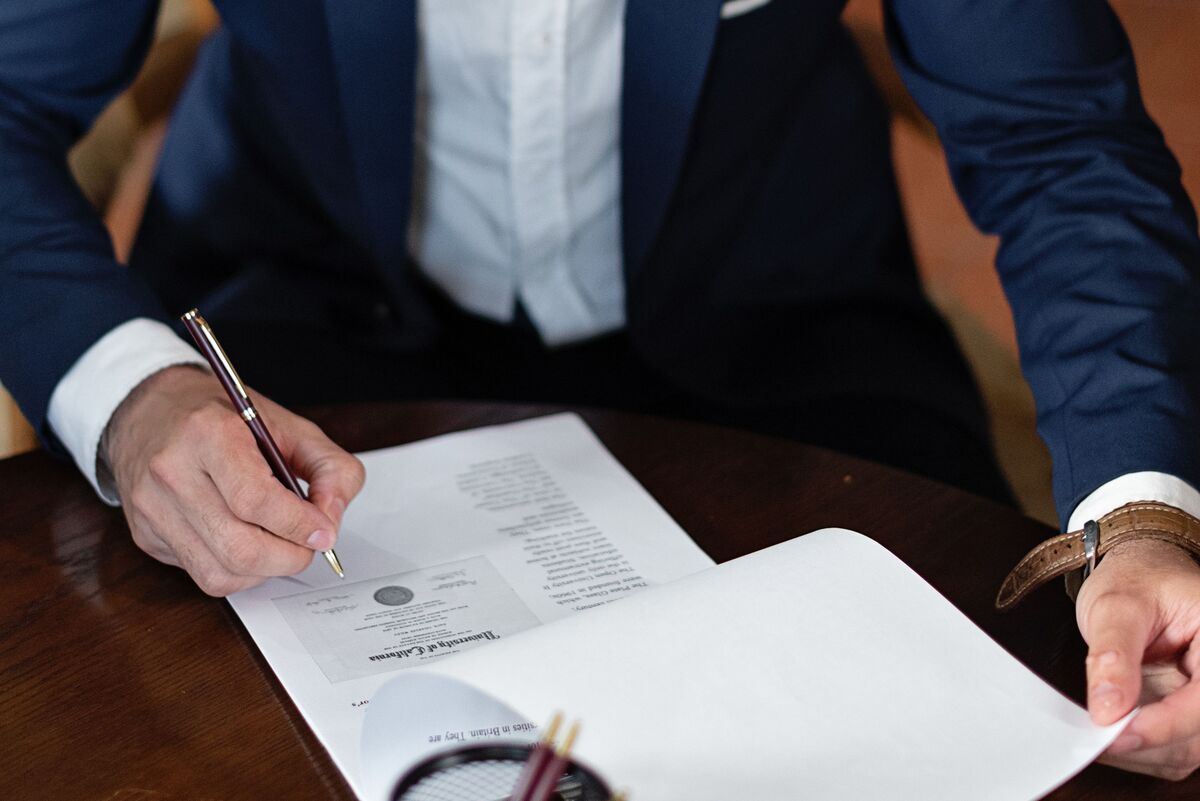
USCIS Petition Approval
The process often begins with an approved immigrant petition filed for a qualifying family member or beneficiary.
NVC Welcome Notice
The case may be transferred to the National Visa Center for pre-processing and case access instructions.
CEAC and Documents
Families may need to complete online steps, prepare the DS-260, and submit financial and civil documents.
Consular Interview Stage
The assigned U.S. embassy or consulate provides interview instructions and reviews eligibility at the interview.
NVC Processing, CEAC, and the DS-260 Immigrant Visa Application
After a case reaches the National Visa Center, families may need to manage notices, fees, CEAC steps, the DS-260 immigrant visa application, and document requirements before the case can move toward an interview.
The DS-260 asks for detailed information about the immigrant visa applicant, including family information, address history, employment history, travel history, and other case-specific details. Because this information may be reviewed later in the process, careful preparation matters.
J Kelley Law Group helps petitioners and beneficiaries understand what the NVC is requesting, how CEAC fits into the process, and how to prepare information in a clear and organized way before moving forward.
Careful review can help avoid confusion. Incomplete answers, inconsistent information, or uncertainty about prior immigration history may create questions later in the process.
Affidavit of Support, Financial Evidence, and Civil Documents
Consular processing often requires careful document preparation before the case can move forward. Families may need to organize financial sponsorship evidence, civil records, translations, relationship documents, and country-specific records for NVC and consular review.
The Affidavit of Support is an important part of many family-based immigrant visa cases because it helps show that the petitioner or sponsor accepts financial responsibility for the applicant. Some cases may also require a joint sponsor or additional financial documentation.
Civil documents can also be a major part of the process. Birth certificates, marriage certificates, divorce records, police certificates, passport pages, certified translations, and other supporting records may need to be prepared according to the instructions for the case and the country involved.
Organized records help families move with more clarity. JKLG helps petitioners and beneficiaries review what documents may be needed and how the case file should be prepared before the next stage.

Financial Sponsorship
Review of sponsor income, household information, tax records, and support documents that may be needed for the case.
Civil Documents
Organization of records such as birth certificates, marriage certificates, divorce records, and police certificates.
Relationship Evidence
Preparation of supporting records that may help explain the family relationship behind the immigrant visa petition.
Certified Translations
Review of documents that may need certified English translations before submission or interview preparation.
Country-Specific Records
Guidance on document issues that can vary depending on the country, issuing authority, and consular instructions.
Preparing for the Medical Exam and Consular Interview
The medical exam and consular interview are important stages of the immigrant visa process. Families should review the interview notice, gather required records, understand the instructions from the assigned U.S. embassy or consulate, and prepare to answer questions clearly and consistently.
The medical exam is usually completed with a physician authorized by the U.S. embassy or consulate handling the case. Applicants may also need to bring specific documents to the interview, including the DS-260 confirmation page, civil records, financial sponsorship evidence, passport documents, and any additional records requested for the case.
J Kelley Law Group helps petitioners and beneficiaries prepare for this stage by reviewing the case history, organizing documents, explaining what the interview process may involve, and helping families approach the next step with clarity.
Preparation should feel organized, not overwhelming. A legal review can help families understand what to bring, what information may need attention, and how to prepare for the interview stage.

When a Consular Processing Case Needs Extra Care
Some consular processing cases involve details that should be reviewed carefully before the family submits documents, attends an interview, or responds to a request. These issues do not always mean the process cannot move forward, but they may require a more careful legal review.
Prior Immigration History
Prior entries, overstays, removal history, unlawful presence concerns, or past immigration filings may need careful review before the interview stage.
Missing or Inconsistent Documents
Birth records, marriage records, police certificates, translations, or identity documents may raise questions if they are incomplete, inconsistent, or difficult to obtain.
Financial Sponsorship Concerns
Some cases may require review of income, household size, tax records, joint sponsor options, or public charge-related financial documentation.
Prior Visa Refusals
A prior refusal or consular question may need to be reviewed so the family understands what information or documentation may be important now.
Possible Waiver Questions
Some applicants may need to discuss inadmissibility concerns, I-601 waiver questions, or I-601A provisional waiver issues before moving forward.
Have a concern before the next step? JKLG can help review the facts, explain what may need attention, and guide families through consular processing with clear, organized legal support.
Speak With JKLG Before Taking the Next StepIf the Consulate Requests More Information or Places a Case in Administrative Processing
After a consular interview, some families receive a request for additional documents, updated information, or further case review. These notices can be confusing, especially when several agencies, documents, and deadlines are involved.
A consular officer may request missing records, additional evidence, clarification about the applicant’s history, or further administrative processing depending on the facts of the case. The next step depends on what the notice says and what the consulate is asking the applicant or petitioner to provide.
J Kelley Law Group helps families review consular requests carefully, understand what information may be needed, organize a response, and communicate about next steps in a clear and professional way.
Careful review can help families respond with more clarity. JKLG can help you understand the notice, gather the right records, and prepare a complete response based on the request received.
How J Kelley Law Group Helps With Consular Processing
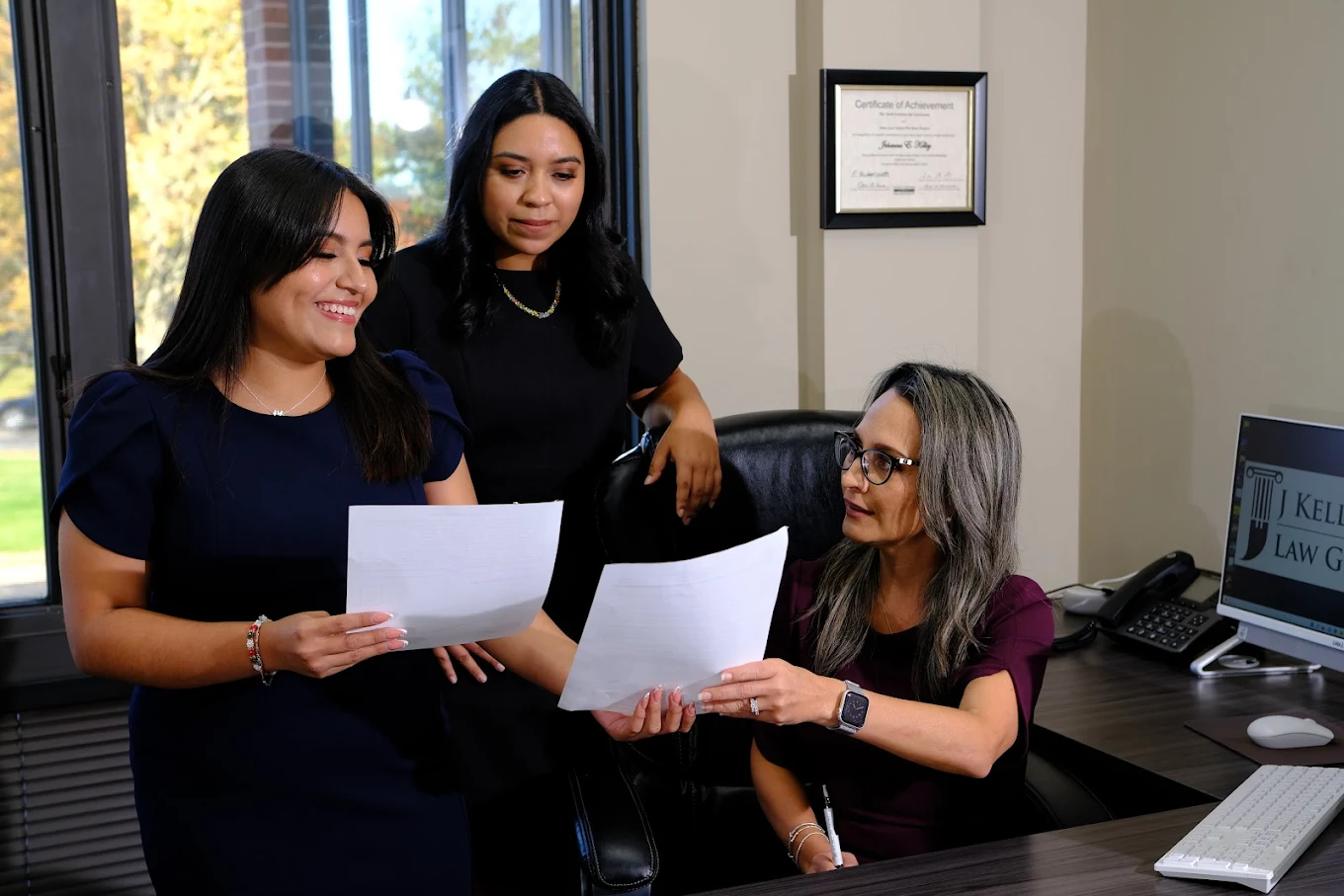
Consular processing can involve several connected steps, including petition history, NVC processing, DS-260 information, financial sponsorship documents, civil records, interview preparation, and communication with immigration agencies.
J Kelley Law Group helps petitioners, beneficiaries, spouses, parents, children, and families understand the process and prepare with more organization. Our team focuses on clear communication, careful document review, bilingual support in English and Spanish, and practical guidance for families navigating immigrant visa steps.
The goal is to help clients understand where the case stands, what may need attention, and how to approach the next stage carefully.
Clear Step-by-Step Guidance
JKLG helps families understand which stage the case is in, which agency is involved, and what steps may come next.
Careful Document Review
Our team helps review financial evidence, civil records, translations, relationship documents, and case-specific supporting materials.
NVC and DS-260 Support
JKLG helps families review NVC instructions, CEAC steps, DS-260 information, and records needed before interview scheduling.
Interview Preparation
Families can receive guidance on interview notices, required documents, medical exam instructions, and case history review.
Bilingual Legal Support in English and Spanish
JKLG supports clients in English and Spanish so families can communicate more clearly about important immigration steps.
Nationwide Immigration Help
Because immigration law is federal, JKLG provides consular processing guidance for families across the United States.
Need help understanding the next step? Speak with J Kelley Law Group about your consular processing questions, immigrant visa documents, NVC steps, or interview preparation concerns.
Schedule a Consultation With J Kelley Law GroupNationwide Consular Processing Help From a Bilingual Immigration Team
Consular processing often involves federal immigration law, the National Visa Center, online immigrant visa steps, and a U.S. embassy or consulate abroad. Because immigration law is federal, J Kelley Law Group can provide immigration legal guidance to families across the United States.
JKLG also offers local office support through its Montgomery Village / Gaithersburg, Maryland office presence and Raleigh, North Carolina office presence. These offices help build trust and accessibility for clients while the firm continues to serve immigration clients nationwide.
Whether a petitioner is in the United States, a beneficiary is abroad, or a family needs help understanding NVC and consular steps, JKLG provides clear bilingual support in English and Spanish.
JKLG helps clients communicate more comfortably about immigrant visa steps, documents, and family concerns.
The firm helps families with federal immigration matters even when the beneficiary or petitioner is in another location.
Montgomery Village / Gaithersburg, Maryland
JKLG’s Maryland office presence supports families seeking immigration guidance, including consular processing, NVC steps, document preparation, and interview preparation concerns.
Raleigh, North Carolina
JKLG’s Raleigh office presence helps immigration clients connect with a bilingual legal team for family-based immigration, consular processing questions, and related immigrant visa matters.
Questions About Consular Processing
Consular processing depends on the visa category, case history, NVC notices, country-specific document rules, and the U.S. embassy or consulate handling the case. These answers provide general guidance and help families understand when legal support may be useful.
What is consular processing?
Consular processing is generally the immigrant visa path used when a person applies through a U.S. embassy or consulate abroad after an immigrant petition is approved and a visa is available.
Is consular processing the same as adjustment of status?
No. Adjustment of status is generally for eligible applicants applying from inside the United States, while consular processing usually involves immigrant visa processing through a U.S. embassy or consulate abroad. You can also learn more on JKLG’s Adjustment of Status Lawyer page.
Who needs consular processing for a green card?
Consular processing may apply when the beneficiary is outside the United States or must complete immigrant visa processing abroad. This can include spouses, parents, children, siblings, and other qualifying family-based beneficiaries depending on the case.
Can J Kelley Law Group help if the petitioner is in the United States and the beneficiary is abroad?
Yes. JKLG helps families where the petitioner is in the United States and the beneficiary is abroad. The team can help review the case stage, explain NVC steps, and support preparation for immigrant visa documents and consular processing.
What is NVC processing?
NVC processing is the stage where the National Visa Center may collect fees, documents, forms, and information before the case moves toward a U.S. embassy or consulate interview. The exact steps depend on the case and NVC instructions.
What is the DS-260 immigrant visa application?
The DS-260 is the online immigrant visa application used in many consular processing cases. It asks for detailed information about the applicant, family, addresses, work history, travel history, and other case-specific details.
What documents are needed for consular processing?
Required documents may include financial sponsorship evidence, civil documents, passport pages, birth certificates, marriage certificates, divorce records, police certificates, certified translations, and country-specific records. The exact list depends on the case and consular instructions.
Do I need a lawyer for a consular interview?
A lawyer is not required for every consular interview, but legal guidance can help families review the case history, organize documents, prepare for questions, and understand issues that may need attention before the interview.
What happens if the consulate asks for more documents?
If the consulate requests more documents or information, the family should review the notice carefully and respond according to the instructions. JKLG can help identify what is being requested and help organize a complete response.
Can J Kelley Law Group help in Spanish?
Yes. J Kelley Law Group provides immigration legal support in English and Spanish. The firm helps families communicate more clearly about immigrant visa steps, documents, NVC processing, and consular interview preparation.
Have questions about your family’s immigrant visa process? JKLG can help you understand consular processing, NVC steps, document preparation, and interview-related concerns.
Ask JKLG About Your Consular Processing CaseTalk to J Kelley Law Group About Consular Processing
If your family needs help with immigrant visa steps, NVC processing, DS-260 preparation, supporting documents, financial sponsorship evidence, or consular interview concerns, J Kelley Law Group can help you understand the process and prepare with more clarity.
Speak with a bilingual immigration team. JKLG helps petitioners, beneficiaries, spouses, parents, children, and families review consular processing questions and understand what may need attention before the next step.