

West Texas Rural EB-5 Project: CMB Group 106 Explained
For foreign nationals considering an investment-based path to U.S. permanent residency, a new West Texas rural EB-5 project has recently been announced.
On November 9, 2026, CMB Regional Centers introduced CMB Group 106 – Edge Bravo Power, a rural EB-5 investment project involving the development of natural gas power generation facilities in West Texas.
The project may be of interest to international investors exploring the EB-5 Immigrant Investor Program. However, understanding the immigration requirements, investment risks, and project details is essential before making any financial commitment.
What Is the CMB Group 106 EB-5 Project in West Texas?
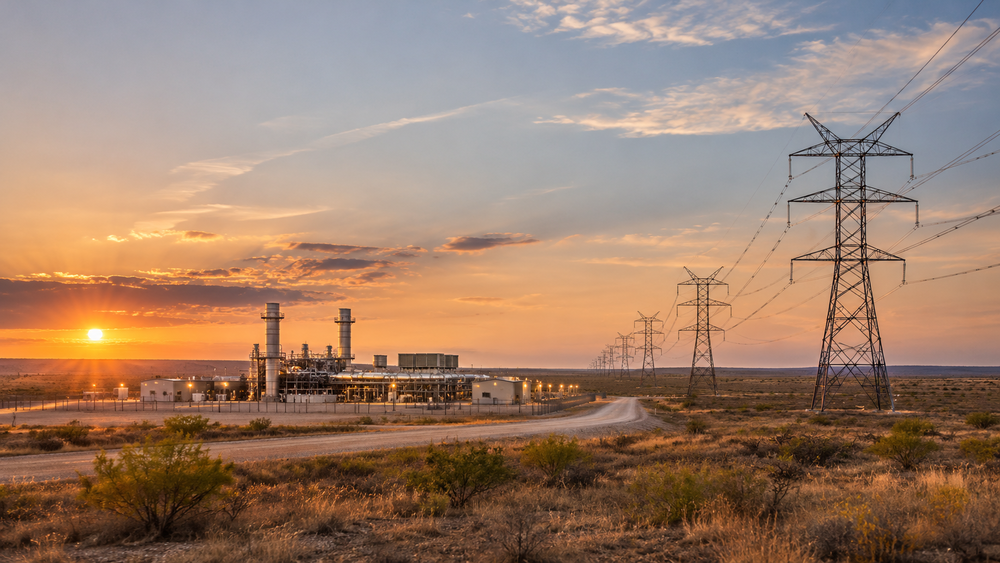
According to the official announcement from CMB Regional Centers, Group 106 – Edge Bravo Power will support the development and construction of 17 natural gas power plants in West Texas.
These facilities are part of a larger development involving 20 planned power plants with a combined intended generating capacity of 200 megawatts.
The plants are expected to produce electricity for the Texas power grid, with facilities located near natural gas supply infrastructure.
CMB describes the project as an investment opportunity located in a rural Targeted Employment Area (TEA), a classification that can be important for EB-5 immigration eligibility.
The regional center also projects that the investment project will support approximately 1,500 qualifying U.S. jobs, based on its economic impact analysis.
These are sponsor-reported projections, not independently confirmed employment outcomes. Prospective investors should review the relevant project documents and understand how the job-creation calculations support EB-5 requirements.
How Does a Rural EB-5 Investment Work?
The EB-5 Immigrant Investor Program allows eligible foreign nationals to pursue lawful permanent residency in the United States through qualifying investments that create jobs.
Under the program, investors must generally demonstrate that they have invested the required capital in a qualifying U.S. commercial enterprise and that the investment meets applicable job-creation requirements.
As of November 2026, the standard minimum EB-5 investment is $1,050,000, while qualifying projects in a Targeted Employment Area may use the reduced $800,000 investment threshold.
The investment must also support the creation of at least 10 qualifying full-time jobs per investor.
These requirements are outlined in U.S. immigration law and discussed in the Federal Register’s EB-5 program regulations.
Why Are Rural EB-5 Projects Different?
Rural EB-5 investments may qualify for certain immigration program provisions, including reserved visa availability and priority petition processing.
Under the EB-5 Reform and Integrity Act of 2022, 20% of annual EB-5 immigrant visas are reserved for qualifying rural investments.
However, these provisions do not guarantee immediate processing, visa availability for every applicant, or approval of an immigration petition.
The project’s rural classification, investment structure, and eligibility documentation should be reviewed before relying on any particular immigration benefit.
Investment amounts and government filing fees can also change, so investors should confirm the requirements in effect when they are ready to proceed.
Can Investors Living Outside the United States Apply for an EB-5 Visa?
Yes. The EB-5 program is available to eligible foreign nationals, including individuals who currently reside outside the United States.
For investments through a qualifying regional center, the immigration process generally begins with Form I-526E, Immigrant Petition by Regional Center Investor.
Applicants must provide documentation supporting their eligibility, including evidence establishing the lawful source and path of their investment funds.
If the petition is approved and an immigrant visa is available, an eligible applicant residing abroad may proceed through immigrant visa processing at a U.S. embassy or consulate.
J Kelley Law Group provides guidance on immigration procedures, including consular processing, for eligible individuals pursuing immigration benefits from outside the United States.
An EB-5 investment does not automatically grant a green card. Each applicant must satisfy the applicable immigration requirements, and approval remains subject to government review.
What Should Foreign Investors Consider Before Choosing an EB-5 Project?
A rural EB-5 investment is both a financial decision and an immigration decision.
Before investing in the CMB Group 106 EB-5 project—or any other regional center offering—prospective investors should carefully evaluate:
- Project documentation: Verify the regional center’s current designation, the project’s rural classification, and the status of its Form I-956F filing.
- Job-creation projections: Understand how the project expects to satisfy the EB-5 job requirements and what assumptions support those projections.
- Financial risks: Review the offering memorandum, investment structure, repayment terms, fees, and potential loss of capital.
- Source of funds: Determine whether the investor can document how the investment capital was lawfully obtained and transferred.
The U.S. Securities and Exchange Commission (SEC) warns EB-5 investors that designation as a regional center does not mean the government has approved or endorsed a particular investment.
EB-5 investments involve financial risk, and neither the return of invested capital nor immigration approval is guaranteed.
Independent legal and financial review can help investors understand the different considerations before making a commitment.
Considering an EB-5 Investment? Contact J Kelley Law Group
For people living abroad who are considering an EB-5 immigrant investor visa, understanding the immigration process is an important first step.
The West Texas rural EB-5 project announced by CMB Regional Centers is one example of an investment opportunity that prospective applicants may wish to research.
Before deciding whether to pursue an EB-5 investment, individuals should consider their immigration eligibility, financial circumstances, source-of-funds documentation, and long-term goals.
J Kelley Law Group provides immigration legal guidance in English and Spanish to individuals and families navigating U.S. immigration procedures.
Learn more about our immigration legal services or contact J Kelley Law Group to request a consultation about your immigration options.





0 Comments